
What is Hypertension?
Hypertension, also called high blood pressure, is a common health problem. It happens when the force of blood against your artery walls stays too high for a long time. In the United States, millions of adults have hypertension. Often, people do not notice any signs. However, untreated high blood pressure can harm your heart, brain, and kidneys. Because of this, it is important to know about hypertension and how to manage it.
Common Symptoms of Hypertension
Most people with hypertension do not feel sick. Still, some may notice symptoms if their blood pressure gets very high. For example, you might have:
However, these symptoms can also be caused by other problems. Therefore, regular blood pressure checks are important, even if you feel fine.
Causes and Risk Factors
There are many reasons why someone may develop hypertension. Sometimes, the cause is not clear. But, several risk factors can raise your chances of getting high blood pressure. These include:
Because some risk factors can be changed, making healthy choices can help lower your risk.
How Hypertension is Diagnosed
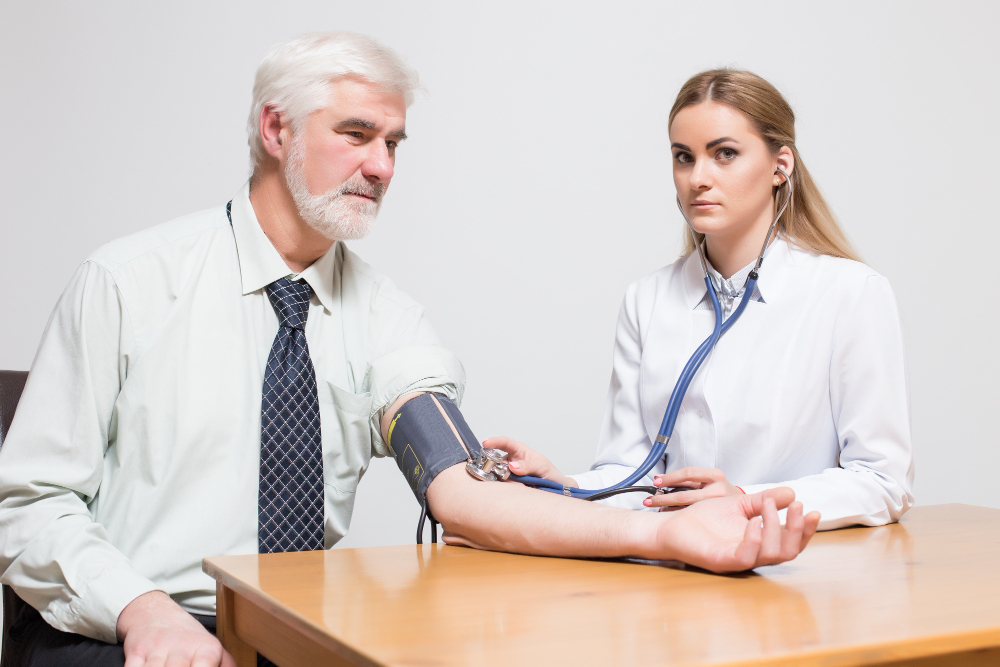
Doctors diagnose hypertension by measuring your blood pressure with a cuff. Usually, they check it on more than one visit. This is because blood pressure can change during the day. If your readings are often above 130/80 mm Hg, you may have hypertension. Sometimes, your doctor may ask you to check your blood pressure at home. In some cases, they may order blood tests or check your urine. These tests help find out if another problem is causing your high blood pressure.
Treatment Options for Hypertension
Treating hypertension is important to lower your risk of heart attack, stroke, and kidney problems. There are several ways to manage high blood pressure. Your doctor may suggest:
Sometimes, you may need more than one medicine. However, with the right treatment, most people can control their blood pressure.
Lifestyle Tips and Prevention
There are many steps you can take to help prevent hypertension or keep it under control. For example, you can:
Because small changes can make a big difference, start with one or two healthy habits and build from there.
When to See a Doctor
If you have high blood pressure or notice symptoms like severe headache, chest pain, or trouble breathing, seek medical help right away. Also, see your doctor for regular check-ups. Early diagnosis and treatment can prevent serious problems. Remember, even if you feel fine, hypertension can still harm your body over time.
For personalized advice on managing hypertension, consult a healthcare professional at SV Multispecialty Hospital.