
Introduction
Understanding rabies shots timing and doses is vital for rabies prevention. Rabies is a deadly virus that spreads through animal bites or scratches. If you get exposed, knowing the correct rabies vaccine schedule can save your life. Quick action and the right number of shots are key. The World Health Organization (WHO) and Centers for Disease Control and Prevention (CDC) stress the importance of following the recommended timing and doses. In this blog, you will learn when to get rabies shots, how many are needed, and what to expect during the process.
What Are Rabies Shots?
Rabies shots are vaccines that protect you from the rabies virus. These shots help your body fight the virus if you are exposed. Usually, there are two types of rabies shots:
Both types help prevent the virus from causing illness. However, most people only need shots after a bite or scratch.
When Are Rabies Shots Needed?
Rabies shots are needed in certain situations. For example, you may need them if:
In many countries, stray dogs and wild animals can carry rabies. Therefore, you should always seek medical advice after any animal bite. Even if the wound looks small, rabies can still enter your body.
Rabies Shot Timing: Step-by-Step Schedule
After a possible rabies exposure, timing is very important. The rabies vaccine schedule for post-exposure prophylaxis (PEP) usually follows this plan:
In addition, you may need a shot called rabies immune globulin (RIG) on Day 0. This gives extra protection, especially if you have never had rabies shots before. Always follow your doctor’s advice for the exact schedule.
Recommended Doses for Rabies Shots
How many rabies shots you need depends on your situation. For most healthy people, the standard dose is:
For pre-exposure protection, the schedule is usually three shots over one month. However, your doctor may adjust the doses based on your health or travel plans.
What to Expect During and After Rabies Shots
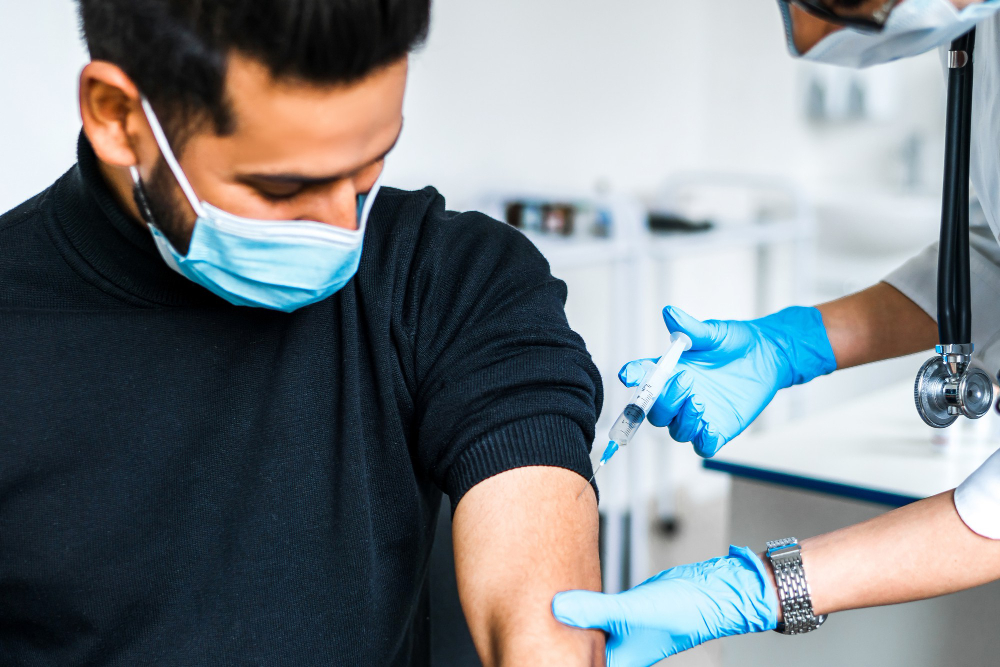
Getting rabies shots is safe for most people. During the visit, a nurse or doctor will clean your wound and give the shot in your arm. Sometimes, you may feel mild pain, redness, or swelling at the site. Other possible side effects include:
These side effects usually go away in a few days. If you feel very sick or have trouble breathing, seek medical help right away. Most people finish the rabies vaccine schedule without problems.
Prevention Tips and Additional Guidance
While rabies shots are effective, it is better to avoid exposure. Here are some tips for rabies prevention:
In summary, knowing the right rabies shots timing and doses can save lives. Always act quickly after a possible exposure. For more details, check trusted sources like the WHO or CDC.
Consult a healthcare professional at S.V. Multi Speciality Hospital promptly if you suspect rabies exposure or need guidance on vaccination.