
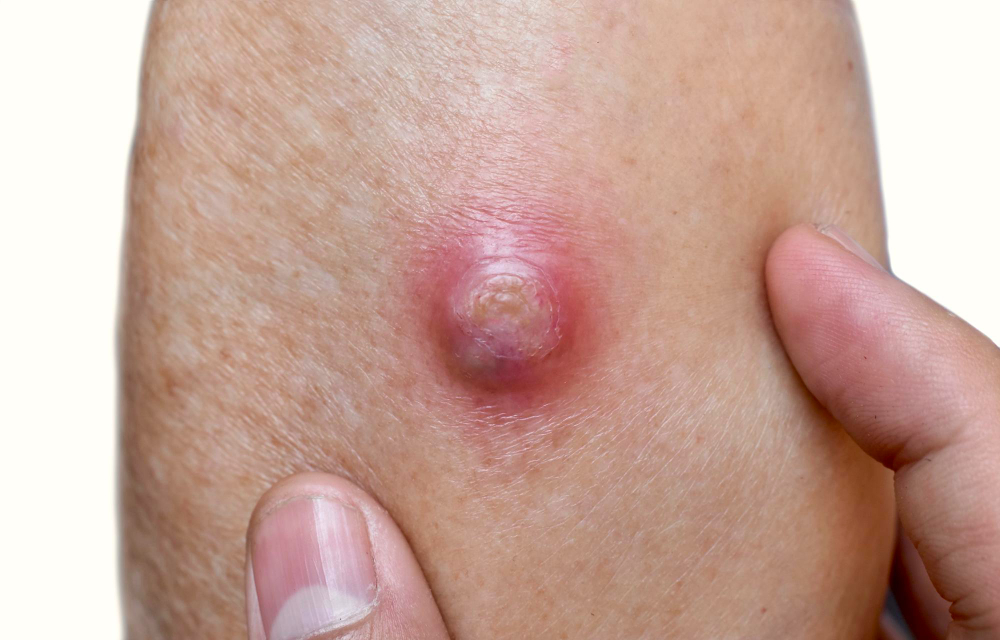
What Are Lumps Under the Skin?
Lumps under the skin can feel worrying. However, most are harmless. Often, these lumps are lipomas or sebaceous cysts. Both are types of benign skin lumps. This means they are not cancer. Still, it is important to know what causes them and when removal might help. Many people search for “skin lump removal near me” when they notice a new bump. Understanding the basics can help you decide when to see a doctor.
Lipomas: Causes, Symptoms, and Diagnosis
Lipomas are soft, fatty lumps that grow under the skin. Usually, they move easily when you touch them. Most lipomas are painless. Although the exact cause is not always clear, genetics can play a role. Sometimes, lipomas run in families. According to the Mayo Clinic, lipomas are the most common soft tissue tumor in adults.
Doctors often diagnose lipomas by feeling the lump. Sometimes, they may use an ultrasound or a biopsy to confirm the diagnosis. If you notice a lump growing quickly or causing pain, let your doctor know.
Sebaceous Cysts: Causes, Symptoms, and Diagnosis
Sebaceous cysts are small, round bumps under the skin. They form when a hair follicle or oil gland gets blocked. As a result, a pocket of fluid or semi-solid material builds up. These cysts are also called epidermoid cysts. While they are usually harmless, they can sometimes become red or sore if infected.
Doctors diagnose sebaceous cysts by looking at and feeling the lump. In rare cases, they may order tests to rule out other conditions. If the cyst changes in size or becomes painful, seek medical advice.
When Should Lipomas Be Removed?
Most lipomas do not need removal. However, there are times when removal of lipomas is recommended. For example, if the lump is painful or keeps growing, your doctor may suggest surgery. Some people also choose removal for cosmetic reasons. Additionally, if the lump presses on nerves or causes discomfort, removal may help.
Always talk to your doctor before deciding on removal. They will help you weigh the risks and benefits.
When Should Sebaceous Cysts Be Removed?
Many sebaceous cysts do not need treatment. Yet, sebaceous cyst removal may be needed in some cases. For instance, if the cyst becomes infected or keeps coming back, removal is often best. Sometimes, cysts can burst or leak, which may lead to infection. In these cases, doctors may recommend removal.
It is important not to squeeze or pop cysts at home. This can cause infection or scarring.
Treatment Options for Lipomas and Sebaceous Cysts
Doctors offer several skin lump treatment options. For lipomas, surgical removal is the most common method. The doctor makes a small cut and removes the lump. Sometimes, liposuction is used for larger lipomas. For sebaceous cysts, removal is usually done in a clinic. The doctor numbs the area and removes the cyst and its sac. This helps prevent the cyst from coming back.
After treatment, most people heal quickly. However, always follow your doctor’s care instructions to lower the risk of infection.
Prevention and Self-Care Tips
While you cannot always prevent benign skin lumps, some steps may help. For example, keeping your skin clean can lower the risk of blocked pores. If you have a family history of lipomas, regular self-checks can help you spot changes early. Additionally, avoid squeezing or picking at lumps. This can cause infection or scarring.
Healthy habits can support your skin’s health. However, not all lumps can be prevented.
When to See a Doctor
Sometimes, lumps under the skin need medical attention. For instance, if a lump grows quickly, becomes painful, or changes color, see your doctor. Also, if you notice signs of infection—such as redness, warmth, or pus—seek help right away. According to the CDC, early care can prevent more serious problems. If you are unsure about a lump, a doctor can help with diagnosis and discuss removal options. Many clinics offer “skin lump removal near me” services for your convenience.