
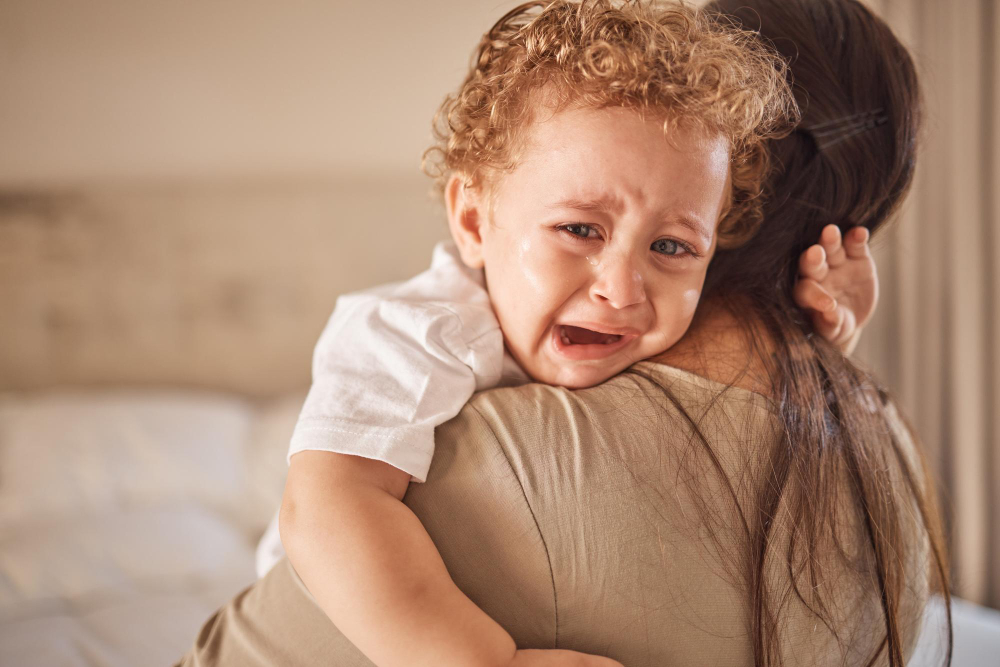
Introduction to Excessive Crying in Children
Excessive crying in children can worry any parent. While all babies and young children cry, sometimes the crying seems too much or lasts too long. In many cases, this crying is normal. However, persistent crying in infants or older children may signal a problem. Understanding the reasons behind excessive crying in children helps parents respond better. This guide explains the symptoms, causes, diagnosis, and management of child crying.
Common Symptoms and Warning Signs
Most children cry to express hunger, discomfort, or tiredness. But, excessive crying often comes with other signs. For example, you may notice:
Sometimes, children may also show signs of pain, such as pulling their legs up or arching their back. If you see these warning signs, it is important to pay close attention.
Possible Causes of Excessive Crying
There are many reasons for excessive crying in children. Some causes are simple, while others need medical care. Let’s look at the main categories:
Medical Causes
Emotional Causes
Environmental Causes
Because many factors can cause child crying, it is important to look at the whole picture. Sometimes, more than one cause may be present.
How Excessive Crying Is Diagnosed
Doctors use several steps to diagnose the cause of excessive crying in children. First, they ask about the child’s health, feeding, and sleep habits. Next, they perform a physical exam to check for signs of illness or injury. In some cases, doctors may order tests, such as urine or blood tests, to rule out infections. If needed, they may refer your child to a specialist. Early diagnosis helps find the right treatment and gives parents peace of mind.
Treatment Options and Management Strategies
Treatment for excessive crying in children depends on the cause. For example, if a medical problem is found, doctors treat that condition. However, if the crying is due to colic or emotional reasons, simple comfort measures may help. Common management strategies include:
Sometimes, doctors may suggest medicines if an infection or other illness is present. Always follow your doctor’s advice for safe treatment.
Home Care Tips and Lifestyle Guidance for Parents
Parents can do many things at home to help soothe a crying baby or child. Here are some helpful tips:
Moreover, keeping a diary of crying episodes can help your doctor find patterns or triggers. Remember, every child is different. What works for one may not work for another.
Prevention and When to Seek Medical Help
While you cannot prevent all crying, you can reduce some triggers. For instance, keep your child’s routine steady and avoid overstimulation. Make sure your child eats and sleeps well. However, some crying is a normal part of development.
Seek medical help if:
Early action can prevent serious problems. According to the CDC and WHO, prompt care is key for children with warning signs.
In summary, excessive crying in children can have many causes. While most cases are not serious, some need medical attention. Consult a pediatrician at SV Multi Speciality Hospital for personalized advice if your child’s crying is persistent or concerning.