
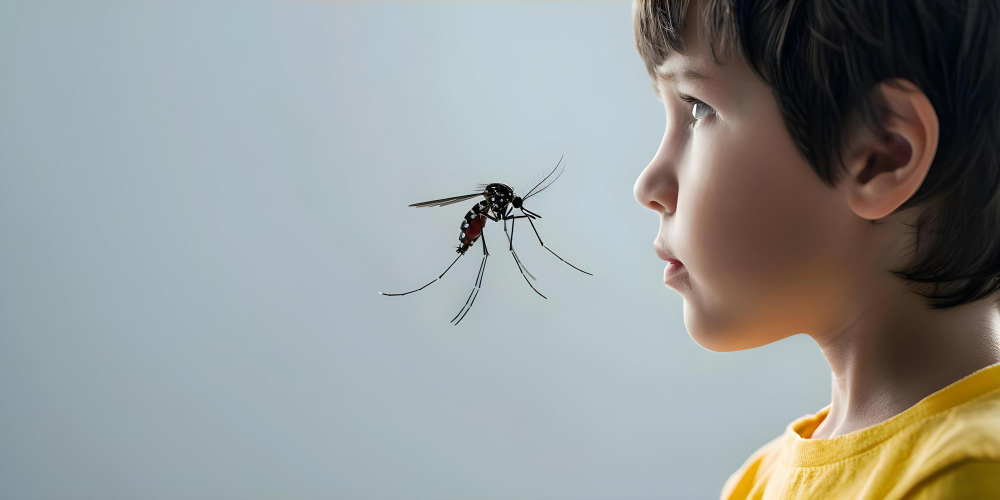
What is Dengue in Children?
Dengue in children is a viral illness spread by mosquitoes. It often happens in tropical countries and dengue risk areas. The virus can cause mild to severe illness. Children may get sick quickly, so early care is important. Because kids can get very sick, parents must know the warning signs. Dengue in children can look like the flu at first. However, it may become serious if not treated early. The World Health Organization (WHO) and the Centers for Disease Control and Prevention (CDC) both stress the need for quick action.
Common Symptoms of Dengue in Children
At first, dengue fever symptoms in kids can be hard to spot. Yet, knowing these signs helps parents act fast. Early signs of dengue in children often include:
Sometimes, these symptoms are mild. But, they can get worse quickly. For this reason, parents should watch for changes in their child’s health.
Warning Signs Parents Must Not Miss
Some warning signs mean your child needs medical help right away. If you notice any of these, seek care quickly. According to the CDC, watch for:
Because these signs can appear after the fever goes down, parents must keep watching their child. Early treatment can save lives.
How Dengue is Diagnosed in Children
Doctors use several steps to identify dengue in children. First, they ask about symptoms and recent travel to dengue risk areas. Next, they check for signs like rash or pain. Then, blood tests confirm the diagnosis. These tests look for the dengue virus or changes in blood cells. In some cases, doctors may repeat tests to track the illness. Quick diagnosis helps start the right treatment. For this reason, parents should visit a doctor if they suspect dengue.
Treatment Options for Children with Dengue
There is no specific medicine to cure dengue. However, doctors can treat the symptoms and help prevent problems. Most children with mild dengue can recover at home. Yet, some may need hospital care if symptoms are severe. Treatment may include:
Because dengue can get worse quickly, parents should follow the doctor’s advice closely. If new symptoms appear, return to the clinic right away.
Home Care and Monitoring Tips for Parents
At home, parents play a big role in caring for a child with dengue. While most cases are mild, careful monitoring is key. To help your child recover, you can:
Because dengue can change quickly, check your child often. If you see any warning signs, seek medical help right away.
Prevention Strategies for Dengue in Children
Preventing mosquito bites is the best way to stop dengue in children. In tropical countries and dengue risk areas, families should take extra care. To lower the risk, you can:
Because dengue prevention for families is so important, talk to your doctor about more ways to protect your child. Staying alert helps keep children safe from dengue.