
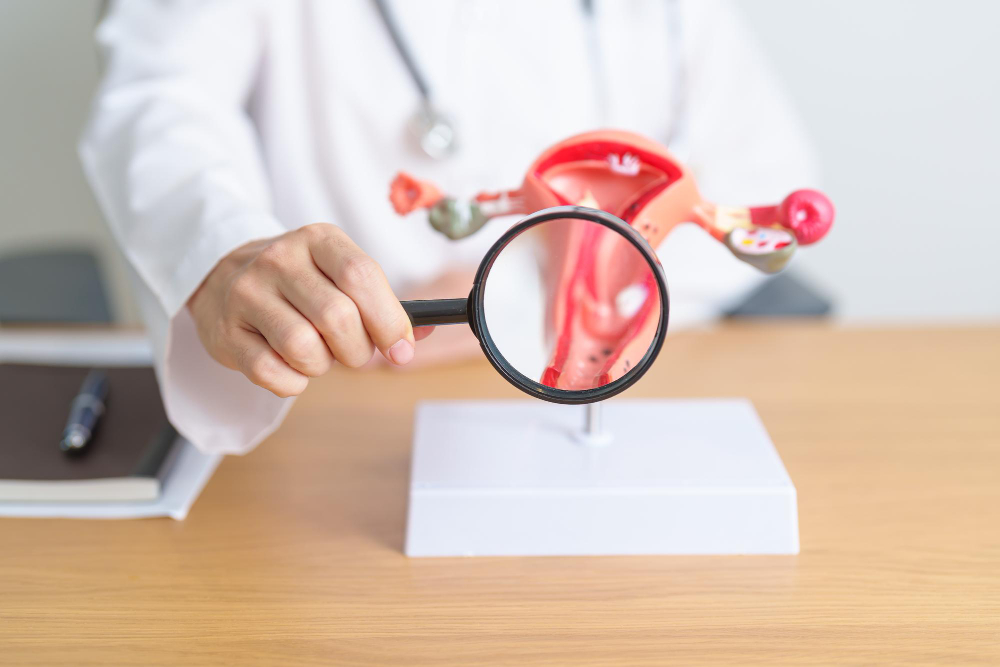
What Is Adenomyosis?
Adenomyosis is a common uterine condition that affects many women. In this condition, the tissue that normally lines the inside of the uterus grows into the muscle wall of the uterus. Because of this, the uterus may become larger and feel tender. Many women may not know they have adenomyosis until they notice symptoms. However, some women may never have any symptoms at all.
Doctors and researchers are still learning about adenomyosis. Yet, it is clear that this condition can cause pain and heavy periods. The World Health Organization and other trusted sources provide helpful information about this health issue.
Common Symptoms of Adenomyosis
Many women with adenomyosis notice changes in their periods or pain. However, symptoms can be different for each person. Below are some common signs:
Sometimes, these symptoms can be confused with other uterine conditions. For example, fibroids or endometriosis can cause similar problems. Therefore, it is important to talk to a doctor if you notice any of these signs.
Causes and Risk Factors
Doctors do not know the exact cause of adenomyosis. Still, several factors may raise the risk of developing this condition. For instance, women in their 30s and 40s are more likely to have adenomyosis. In addition, women who have had children may face a higher risk.
Although these factors can increase risk, adenomyosis can affect women with no known risk factors. Because of this, regular check-ups are important for early detection.
How Adenomyosis Is Diagnosed
Doctors use several methods to diagnose adenomyosis. First, they ask about symptoms and medical history. Next, they may perform a pelvic exam to check for an enlarged or tender uterus. However, more tests are often needed to confirm the diagnosis.
Because adenomyosis shares symptoms with other uterine conditions, a careful diagnosis is important. In many cases, doctors in cities like New York, Los Angeles, or Houston use advanced imaging to help confirm adenomyosis.
Treatment Options for Adenomyosis
Treatment for adenomyosis depends on the severity of symptoms and a woman’s age or plans for pregnancy. Some women may only need medicine, while others may need more advanced care. Below are common treatment options:
Because each woman is different, doctors will help choose the best treatment for each situation. For example, some women in Chicago may prefer non-surgical options, while others may need surgery for lasting relief.
Lifestyle Tips for Managing Adenomyosis
Besides medical treatment, certain lifestyle changes can help manage adenomyosis symptoms. For example, regular exercise can ease pain and improve mood. Eating a balanced diet may also help reduce inflammation.
Although these tips may not cure adenomyosis, they can make daily life easier. In many communities, support groups are available to help women cope with this uterine condition.
Prevention and Outlook
Currently, there is no sure way to prevent adenomyosis. However, early detection and treatment can help manage symptoms and improve quality of life. Because the condition often improves after menopause, many women see relief as they age.
Doctors in cities across the United States and worldwide are working to better understand adenomyosis. With new research, more effective treatments may become available in the future. For now, regular check-ups and open communication with your healthcare provider are key to managing this common uterine condition. If you notice any signs then consult expert at SV Multi Specility Hospital.