
Introduction
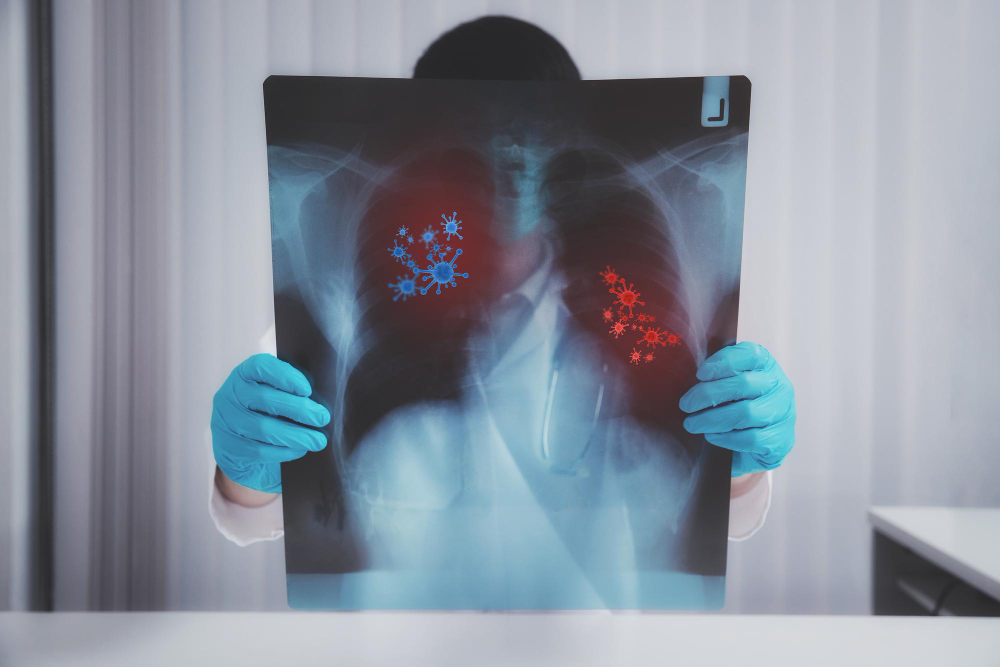
Early detection saves lives, not just in lung cancer but in many types of cancer. When doctors find cancer early, treatment often works better. In fact, early cancer detection means finding cancer before symptoms become severe. This approach helps people start treatment sooner. As a result, survival rates improve. While lung cancer is well-known, early detection is important for many other cancers too. For example, breast, colon, and cervical cancers all benefit from early diagnosis. In the United States, regular screening helps catch cancer early and saves many lives each year.
Why Early Detection Matters
Early cancer detection gives people a better chance to recover. When cancer is found early, it is often smaller and has not spread. Therefore, treatment can be less aggressive and more successful. According to the World Health Organization (WHO), early diagnosis can lower cancer deaths and improve quality of life. Moreover, early detection saves lives by preventing late-stage cancer, which is harder to treat. For families, early diagnosis means less stress and fewer hospital visits. In short, catching cancer early makes a big difference.
Common Symptoms to Watch For
Knowing the signs of cancer helps people seek help sooner. While symptoms can vary, some warning signs are common across many cancers. However, these signs do not always mean cancer, but it is wise to check with a doctor if they last.
For example, a new lump in the breast or a change in a mole should be checked. Early action can lead to early diagnosis.
Diagnostic Methods for Early Detection
Doctors use several tests to find cancer early. These tests are called screenings. Screening helps spot cancer before symptoms appear. For instance, mammograms check for breast cancer, while colonoscopies look for colon cancer. In addition, Pap smears help detect cervical cancer. Blood tests, imaging scans, and biopsies are also common tools. Each test is chosen based on age, family history, and risk factors. Regular check-ups and screenings are key steps in early cancer detection. The Centers for Disease Control and Prevention (CDC) recommends following screening guidelines for your age and health history.
Treatment Benefits of Early Diagnosis
When cancer is found early, treatment options are often simpler and more effective. For example, surgery may remove a small tumor before it spreads. In many cases, less chemotherapy or radiation is needed. As a result, side effects are fewer. Early diagnosis also means a higher chance of full recovery. According to medical studies, survival rates are much higher when cancer is caught early. Therefore, early detection saves lives and improves outcomes for patients and families.
Prevention and Lifestyle Tips
While not all cancers can be prevented, healthy habits lower the risk. Making small changes can help protect your health. For instance, eating a balanced diet and staying active support your body. In addition, avoiding tobacco and limiting alcohol reduce cancer risk. Regular screenings and doctor visits are important steps. Here are some tips:
By following these tips, you can help prevent late-stage cancer and support early detection.
Real-World Success Stories
Many people have benefited from early cancer detection. For example, a woman in her 40s found a small lump during a routine breast exam. Because she acted quickly, doctors removed the lump before it spread. She needed only minor treatment and is now cancer-free. In another case, a man had a colonoscopy at age 50. Doctors found and removed a small growth before it turned into cancer. These stories show how early diagnosis saves lives and gives hope to many families.
Conclusion
In summary, early detection saves lives by finding cancer before it becomes serious. Regular screenings, knowing the symptoms, and healthy habits all play a role. If you have concerns or risk factors, do not wait. Consult at S.V.Multi Speciality Hospital for personalized advice on early cancer detection. Taking action today can make a big difference for your future health.