
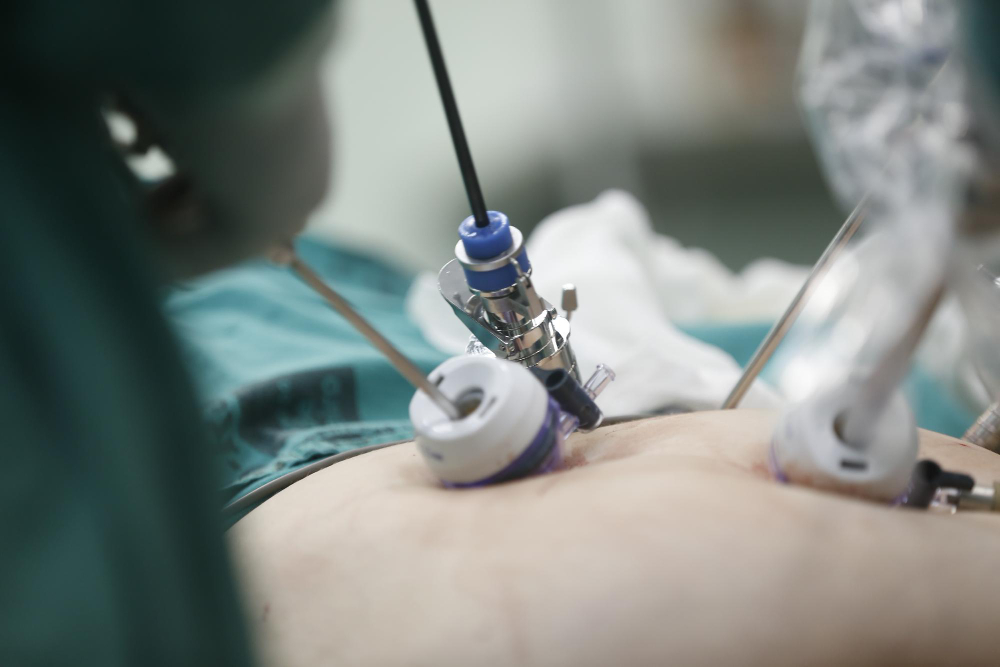
What Is a Laparoscopic Appendectomy?
Laparoscopic appendectomy is a minimally invasive appendix surgery. Doctors use small cuts and a camera to remove the appendix. This method is safer and often leads to a faster recovery. Many people choose this option because it causes less pain and leaves smaller scars. If you have appendicitis, your doctor may suggest this procedure.
Common Symptoms Leading to the Procedure
Appendicitis is the main reason for appendix removal. Early signs can be easy to miss. However, knowing the symptoms helps you seek care quickly. Common symptoms include:
If you notice these signs, you should contact a doctor right away. Quick action can prevent serious problems.
Causes of Appendicitis
Appendicitis happens when the appendix gets blocked. This blockage can be due to stool, infection, or swelling. As a result, bacteria grow and cause the appendix to swell. If not treated, the appendix can burst. This is a medical emergency. Therefore, early treatment is very important.
How Laparoscopic Appendectomy Is Performed
During a laparoscopic appendectomy procedure, the surgeon makes three small cuts in your belly. Through these cuts, they insert a tiny camera and special tools. The camera shows the inside of your belly on a screen. This helps the surgeon see the appendix clearly. Next, the surgeon removes the appendix using the tools. Finally, the small cuts are closed with stitches or glue. Most people are asleep during the surgery, so they do not feel pain.
Benefits of Laparoscopic Surgery Over Open Surgery
Laparoscopic surgery offers many advantages compared to open surgery. Some key benefits include:
Because of these benefits, many doctors recommend minimally invasive appendix surgery when possible.
Recovery Process and Aftercare Tips
After a laparoscopic appendectomy, most people recover quickly. Usually, you can go home within one or two days. However, full recovery may take a few weeks. To help your healing, follow these tips:
If you notice redness, swelling, or fever, contact your doctor. These could be signs of infection. For most people, appendix removal recovery is smooth and quick.
Possible Risks and Complications
Although laparoscopic appendectomy is safe, some risks exist. Possible complications include:
However, serious problems are rare. Your surgeon will explain these risks before the procedure. If you follow aftercare instructions, you can lower your risk of complications.
Prevention and Lifestyle Guidance
There is no sure way to prevent appendicitis. However, eating a diet high in fiber may help. Foods like fruits, vegetables, and whole grains support good digestion. Also, staying active and drinking enough water can keep your bowels healthy. If you ever feel sudden belly pain, seek medical help right away.
Conclusion
Laparoscopic appendectomy is a safe and effective way to treat appendicitis. Because it is minimally invasive, recovery is usually quick and easy. If you have symptoms of appendicitis, do not wait. Consult a qualified surgeon at SV Multispecialty Hospital for personalized advice on laparoscopic appendectomy.