
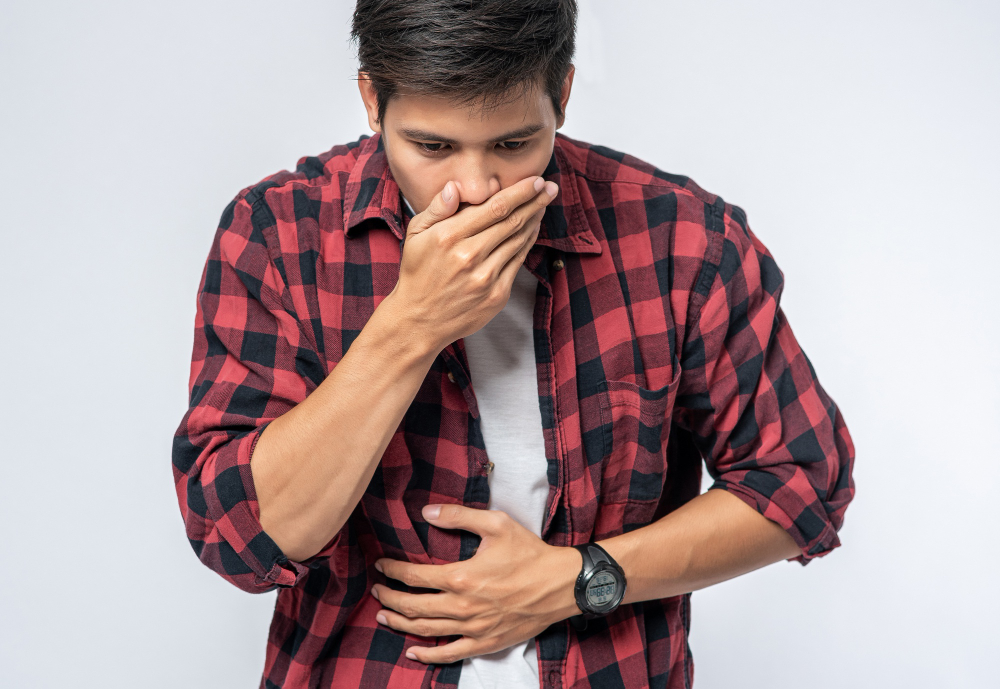
What is Food Poisoning?
Food poisoning is an illness caused by eating contaminated food. Often, bacteria, viruses, or parasites are to blame. Sometimes, toxins or chemicals in food can also cause problems. According to the CDC, millions of people get food poisoning each year. While most cases are mild, some can be serious. Therefore, it is important to know the signs and how to protect yourself.
Common Symptoms of Food Poisoning
Usually, symptoms appear within hours or days after eating bad food. However, the exact timing can vary. Here are the most common signs:
Sometimes, symptoms can be more severe. For example, you may notice blood in your stool or signs of dehydration, such as dry mouth or dizziness.
Causes and Risk Factors
Food poisoning happens when harmful germs or toxins enter your body through food or drinks. The most common causes include:
Some foods are riskier than others. For instance, raw meat, eggs, unpasteurized milk, and seafood can carry more germs. In addition, people with weak immune systems, young children, pregnant women, and older adults face higher risks. Eating food from street vendors or places with poor hygiene also increases your chances of getting sick.
How Food Poisoning is Diagnosed
Doctors often diagnose food poisoning based on your symptoms and what you ate. Sometimes, they may ask about recent travel or outbreaks in your area. In some cases, tests are needed. For example, your doctor might order:
However, most mild cases do not need special tests. Still, if your symptoms are severe or last longer than a few days, testing can help find the cause.
Treatment Options
Most cases of food poisoning get better on their own. However, you can take steps to feel better and avoid problems. Here are some treatment tips:
Sometimes, you may need medicine for nausea or diarrhea. But, antibiotics are only used if bacteria are the cause and symptoms are severe. For most people, home care is enough. However, if you cannot keep fluids down or feel very weak, seek medical help right away.
Prevention Tips
You can lower your risk of food poisoning by following safe food practices. Here are some easy steps:
Additionally, when eating out, choose clean restaurants and avoid food that looks or smells odd.
When to See a Doctor
Most people recover from food poisoning at home. However, you should see a doctor if you have:
In rare cases, food poisoning can be life-threatening. Therefore, do not wait if you feel very sick or cannot keep fluids down.
If you suspect food poisoning, consult SV Multi-Speciality Hospital for personalized advice. Quick action can help you recover faster and prevent complications.