
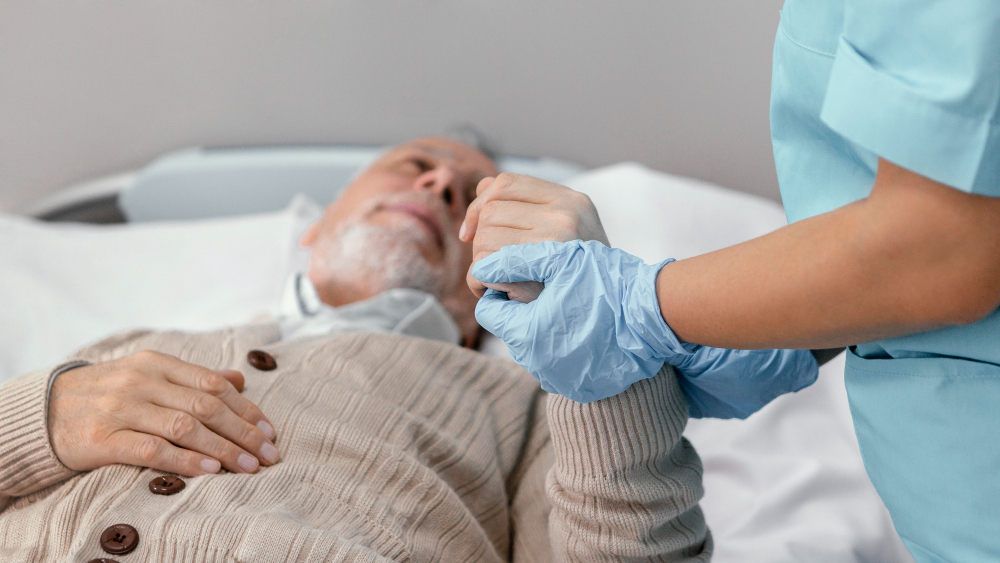
What is a Stroke?
A stroke happens when blood flow to part of the brain stops. Because the brain needs oxygen, this can cause brain cells to die. As a result, a stroke is a medical emergency. Quick action can help save lives and reduce long-term problems. According to the CDC, stroke is a leading cause of death and disability worldwide. Knowing about stroke can help you act fast if you or someone else needs help.
Common Symptoms of Stroke
Recognizing stroke symptoms early is very important. Early treatment can make a big difference. Watch for these signs:
If you notice any of these stroke symptoms, call emergency services right away. Acting fast can save a life.
Causes and Risk Factors
There are two main types of stroke. First, an ischemic stroke happens when a blood clot blocks a blood vessel in the brain. Second, a hemorrhagic stroke occurs when a blood vessel bursts and bleeds into the brain. Several risk factors can increase your chance of having a stroke. For example, high blood pressure is the biggest risk. Other risk factors include:
Because some risk factors can be controlled, making healthy choices can lower your risk.
How Stroke is Diagnosed
Doctors use several tests to diagnose a stroke. First, they ask about your symptoms and medical history. Next, they may do a physical exam. To confirm a stroke, doctors often use imaging tests, such as:
Blood tests and heart tests may also help find the cause. Because quick diagnosis is key, these tests are done as soon as possible.
Treatment Options for Stroke
Stroke treatment options depend on the type of stroke. For ischemic stroke, doctors may use clot-busting drugs to restore blood flow. Sometimes, a procedure is needed to remove the clot. For hemorrhagic stroke, treatment focuses on stopping the bleeding. Surgery may be needed in some cases. After emergency care, many people need rehabilitation. This can include:
Because every stroke is different, your doctor will create a plan just for you.
Lifestyle Tips and Prevention
There are many stroke prevention tips you can follow. Making healthy choices can lower your risk. For example:
Because prevention is better than cure, start these habits today.
When to Seek Medical Help
If you or someone you know shows signs of a stroke, seek emergency medical care immediately. Every minute counts. Quick treatment can save brain cells and improve recovery. Remember the word “FAST”:
Never wait to see if symptoms go away. Instead, call for help right away.
For personalized care, consult a neurology specialist at S.V. Multi Speciality Hospital.